Supporting nature and ecosystems keeps carbon out of the atmosphere, increases resiliance to climate change, and has a benefit to us as individuals around our health and wellbeing. From disappearing bees to rising flood risks, the nature crisis isn’t a distant threat—it’s happening in your village, park, and even your garden. But here’s the good news: local action works. Small groups across the UK are already turning the tide. Here’s how you can join them.
The UK’s wildlife is in step decline but local projects, especially those replicated across the region and country, have been proven to work. The Sussex Recovery Strategy mapping of the network of landscapes and projects shows us the potential, and in Sussex we have more protected landscape than many other counties.
If your organisation has an area of grass or garden – let it grow. That’s right, even the weeds! While some people may say that this looks messy, it’s a great way to support nature and biodiversity in your area. Try to only mow every month or even less to give wildlife a chance to bloom, especially in the spring with No Mow May which is a campaign designed to give early pollinators a population boost. You could even just choose one area of grass, or grass around trees and hedges, to keep instead of all your land. Here are some top tips in building a wildlife friendly garden. Adding an area for hedgehogs and gaps in fences can help develop a hedgehog highway. And building a pond will increase the biodiversity in your space hugely and provide a calm and relaxing place to watch nature do it’s thing. And in the autumn, save yourself the time and energy and leave the leaves for wildlife to shelter under.
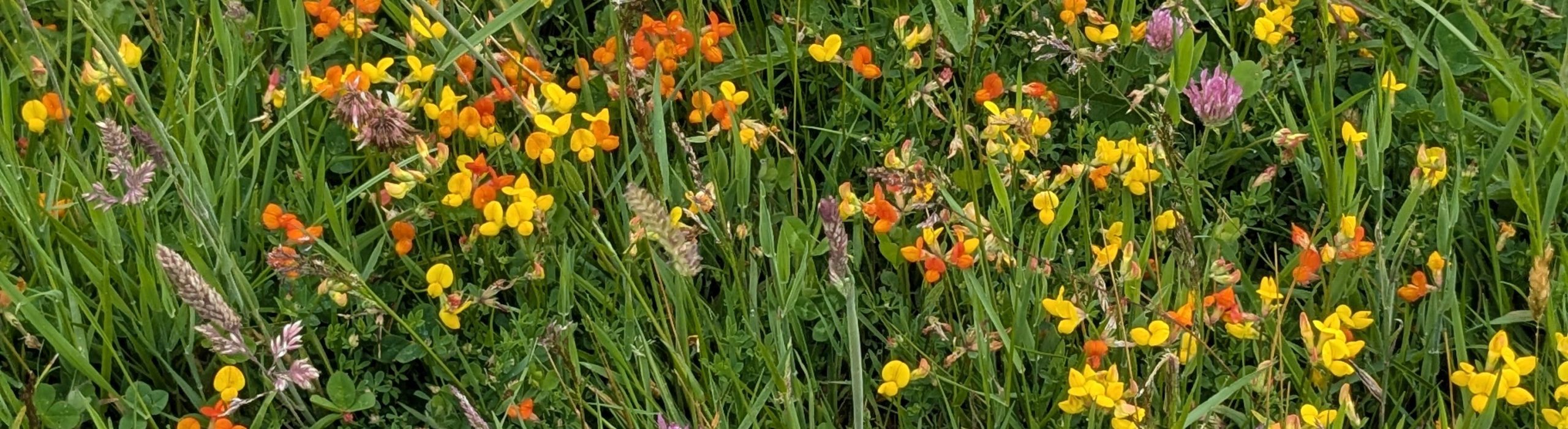
If you have more space and a community or group who are wanting to get involved, you could plan and build a Community Meadow. Creating a meadow is a really simple way to bring the local community together. It’s a great way for people of all ages to connect with nature – whilst doing something to benefit it at the same time. Plantlife have created an online guide to share our top tips, from what to plant, to how to manage your green space year round and how to engage the community.
There are a huge amount of citizen science projects to get involved in and get you outside – from river surveys to counting butterflies. To find out how healthy our environment is and what kind of plants and animals are living in it. Scientists take surveys – counting the type and number of species that they find – and they increasingly want help from groups or individuals. There are several big surveys which the public can help out with – a fantastic way to help study our natural world, keep track of the problems facing it, and learn more about the nature on your doorstep! These include:
If you want to run your own survey, Weald to Waves can help by lending you a Biobox and Sussex Wildlife Trust may be able to support with trained community and wildlife officers. If you want to start small, perhaps organise a get together during the Big Butterfly Count or the Big Garden Birdwatch. You can also organise a litter pick which is a great way to connect with members of your community young and old. Other events can include an annual seed swap, or community events – such as Wassailing or apple picking – at your community orchard.
There are many local community groups and charities who support local nature based projects and who are happy to share their ideas and learnings. If you want to connect please come to Community People’s next Eco Forum where you will have the chance to chat with other nature-loving people.
The nature crisis feels overwhelming, but local action adds up. Whether it’s a single wildflower pot or a village-wide rewilding project, your group can make a difference. Start small, think big, and connect with others—because nature doesn’t need one hero, but many.