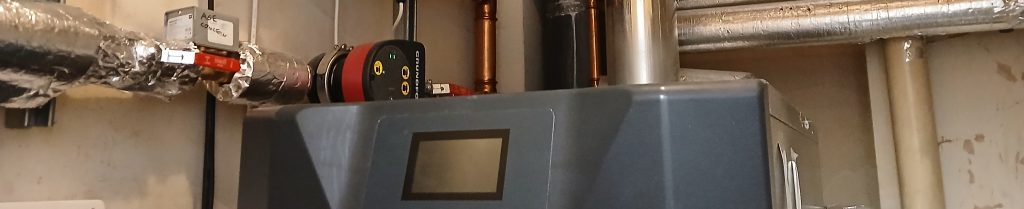
Looking at ways you can reduce your fuel consumption through simple solutions such as better insulation for instance will instantly save you money. You can also look at ways to heat your home or building which will reduce your climate emissions by changing the way you heat or light your space or by swapping to a green provider. You can also think about alternative energy sources such as solar or heat pumps.
At home, having a smart meter is an easy way to see your energy use. This helps you make choices about how much energy to use revealing where you can take money and energy saving action. You might want to think about switching your energy provider. There are very simple changes you can make that can have a big impact on your bills and benefit the environment by lowering carbon emissions.
All of the above applies to your office as well, but you might want to start with an energy audit to benchmark where you are and communicate easy changes with your team. And just like at home you might consider changing to LED lights or draughtproof your building. There are other considerations in the workplace too – such as use of paper – do you need to print the minutes out? You could choose more environmentally friendly paints or add plants to the work environment to improve air quality. If you work remotely you can do the same for your home office.
Put a little thought into your water use as well. Conserving water helps protect our environment, supports resilient communities and reduces the impact of climate change. There are simple steps to take to reduce water use in our workspace and at home. Find some tips here.
Often vulnerable groups, such as isolated older people, can be affected disproportionately by energy prices. People you work with may have their heating very low or even off in cold weather to save money and may avoid cooking hot meals. Community energy provider such as Community Energy Pathways may be able to offer your clients advice on energy use and other local groups host warm spaces or provide free products such as gloves or blankets to keep people warm. Contact the Community People team if you would like to find out more about what help might be available locally.
If you are interested in thinking bigger you might want to investigate Community Energy projects. Here is a map of local Community Energy projects to give you an idea of what kinds of things are taking place and the kind of impact they can have.